Role Transition
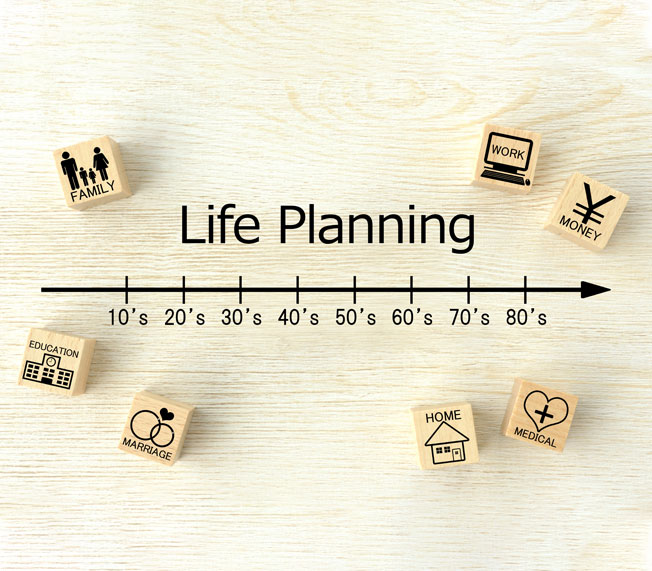
Role Transition is chosen as the IPT focus area when psychological distress is associated with difficulty coping with changes in your current life circumstances. Role transitions may occur in many domains including employment, relationship status, physical health, living conditions, socioeconomic status, etc. Sometimes even positive changes in one’s life (marriage, parenthood, moving, job change) can be associated with negative feelings. The therapist will help you to better adjust to these changes and gain mastery in your new role.
Indications of a Role Transition
An important indicator that Role Transition should be the focus in therapy is when a significant change in your life occurs just before or around the time your stress or mood difficulties began.
It’s important to remember that a change doesn’t have to be negative to create emotional strain. Even positive or desired changes can lead to feelings of loss, uncertainty, or low mood. What matters most is how you are adjusting to the change.
Your social support system also plays a key role in this process. Having strong, reliable connections can make it easier to navigate transitions and maintain emotional well-being during times of adjustment.
Examples of Role Transitions
- Relationship break-up/separation/divorce
- Marriage/Cohabitating
- Coming out
- Starting a new job
- Losing a job
- Moving
- Graduation/Promotion
- Pregnancy/childbirth
Goals in IPT
The main therapeutic goals when dealing with a transition are to help you better adjust and accept the new role in your life. Restoring your self-esteem is important and can be done by helping you to develop a sense of mastery regarding the demands of new roles. The IPT therapist will also help you instil a sense of hope, as well as develop better ways to cope with whatever life brings. Often time we cannot change the circumstances of our lives, but what we do control is how we respond to what is happening in our lives.
Here are some important considerations when adjusting to a new role in your life.
- Focus on what you can do not on what you can’t
- Rediscover your strengths, and use those to help you adjust to the new role
- Change your expectations about what you ‘should be doing or accomplishing’
- Look for creative alternatives
- Develop a strong social support
- Use gratefulness or mindfulness to help you cope with change
- Find small enjoyable activities that can temporarily improve your mood
- Focus on nutrition, exercise, sleep, and healthy living habits
How IPT Works:
In the first few sessions of Interpersonal Psychotherapy (IPT), your therapist will review your mood, explore significant relationships in your life using an Interpersonal Inventory, and work with you to establish treatment goals. Once it becomes clear that a role transition is the main focus, the middle phase of therapy begins.
During these middle sessions (typically sessions 4–12), therapy focuses on helping you adjust to the new circumstances in your life. As treatment progresses, you’ll gain a deeper understanding of how the transition is connected to changes in your mood and overall well-being. You’ll also begin to recognize the patterns or behaviours that may be keeping you “stuck” and learn how to navigate future transitions more effectively.
The ways in which we typically cope with stress—such as avoidance, withdrawal, determination, or focus—often become more pronounced during times of change. Together with your therapist, you’ll examine both the helpful and unhelpful coping strategies you use, working to reduce the negative ones while strengthening positive, adaptive ways of managing challenges.
Review the positive and negative aspects of the old role and possible new one, and realistic evaluation.
It’s important to examine both the positive and negative aspects of your previous role and your new one. Often, people tend to idealize the old role by focusing only on its positives, while viewing the new role primarily through its challenges or losses. By exploring both perspectives in a balanced way, you can develop a more realistic understanding of your situation. Recognizing that you have the power to choose how you respond to life changes can be deeply empowering. This awareness helps foster a greater sense of self-mastery, confidence, and emotional resilience as you adjust to your new circumstances.
Explore nature of and feelings about what was lost.
Accepting a transition, does not mean that you are not allowed to feel sad about a role that was lost. It is important to help you explore and mourn the loss of the old role. Allowing room for negative emotion and fostering a sense of awareness and acceptance, will help you better adjust to the new role.
Explore feelings about the change itself.
Often time people have a hard time adjust to change itself. Being inflexible about change does not allow growth and development to happen. It is important to recognize that learning and growth can only take place with change.
Explore opportunities in the new role.
Often with change come new opportunities. When someone is ‘stuck’ in a transition, they view of the situation becomes very narrow such that they are unable to see new opportunities. It is important to help you broaden their view within the problem state in order to explore new opportunities that you might not be able to recognize.
Encourage development and effective use of social support system and skills called for in the new role.
Encouragement of the use of a social support network is always a priority in IPT. ‘Who’ questions are important – for example, ‘who can you ask for help’, ‘who can you spend time with’, ‘who can offer you support’. When a person is in a new role (example after a divorce) it may be necessary to either develop a new social support network, or call on additional help from the current social network. New skills might also be needed to be developed. Therapy can help you define and practice these new skills.

We Are Here to Help!
Schedule a call with one of our health care coordinators to answer your questions and help you find the best solutions for you and your loved ones


