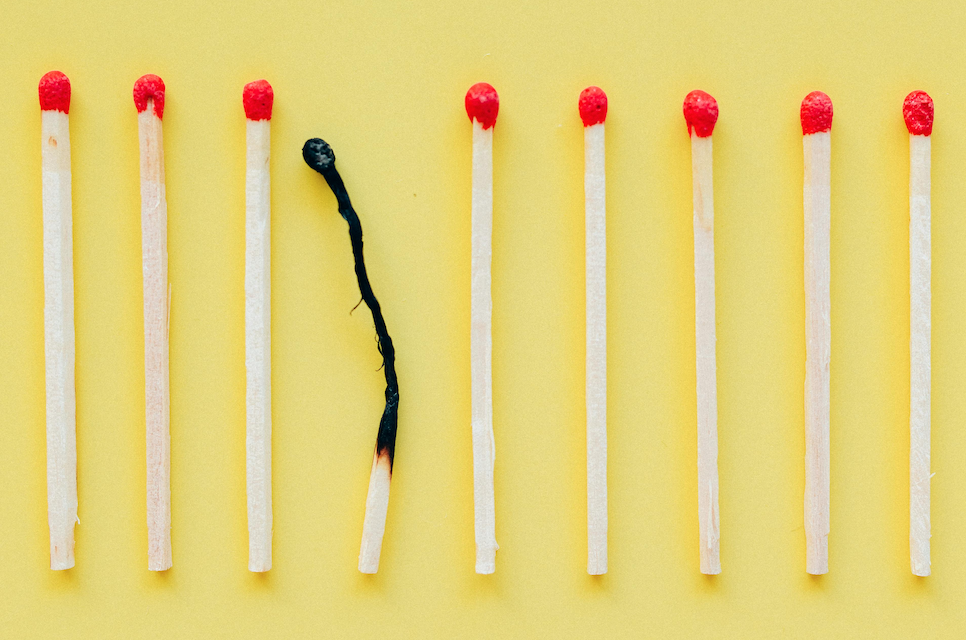
The alarm rings, and you already feel drained. Tasks have been piling up, you aren’t enjoying things that you usually do, and your body feels heavy as you push through another day. Burnout is more than just feeling tired, it’s a state of emotional, mental, and physical exhaustion that can leave you feeling detached and overwhelmed.
What is Burnout?
Burnout is a response to prolonged stress and can stem from any number of things including work, caregiving, or personal life pressures. It’s not simply about being overworked, it’s the emotional toll of feeling unappreciated, overextended, and emotionally drained.
The World Health Organization (2019) originally classified burnout as a result of certain high-stress or caregiving professions such as healthcare or social work. However, burnout can affect anyone and occurs in many industries and even in personal life roles like parenting or caregiving for loved ones (National Library of Medicine, 2024).
Some common causes of burnout include being overworked, being under-challenged with work or life obligations, constantly working under time pressure, having ongoing conflicts with colleagues or loved ones, or extreme commitments that do not leave enough time for self-care (National Library of Medicine, 2024). Many people will be subject to symptoms of burnout in their lifetime, but the good news is that there are ways to recover and take your control back.
Symptoms of Burnout & Emotional Exhaustion
Burnout can manifest in subtle ways at first, but over time, it becomes harder to ignore. Burnout symptoms can look a bit different for everyone. Some common symptoms of burnout include:
1. Chronic Fatigue and Lack of Energy: When you are burnt out from chronic stress, the body’s nervous system is exhausted from being in a persistent heightened state. The result is that no amount of rest seems to be enough and your energy supply is tapped.
2. Reduced Performance: One of the main symptoms of burnout that you may notice is the effects on day to day tasks. Burnout often stifles creativity, makes concentrating extremely difficult, and reduces productivity (National Library of Medicine, 2024).
3. Irritability and Anger: Chronic exhaustion is correlated with increasing feelings of anger and irritability (Prikhidko & Swank, 2020). Burnout may lead to snapping at the people in your life or feeling angry at the world and you can’t seem to figure out why.
4. Emotional Numbness: Due to ongoing stress, you may also discover what some people refer to as the “inability to feel factor” where the more burnt out you become, the more emotionally numb you feel. You may even find it harder to be empathetic toward your loved ones (Tavella et al., 2021).
5. Physical Symptoms: Because the body is in a heightened state, seemingly random physical symptoms may begin popping up. Burnout can lead to headaches, digestive issues, and even chronic pain (National Library of Medicine, 2024).
6. Isolation: Due to ongoing exhaustion and constant time pressure, burnout can quickly isolate you from your community and loved ones. When feeling burnt out, many people begin to socially withdraw and feel more and more isolated from those around them.
If you’re experiencing burnout symptoms, know that recovery is possible. At the Cognitive & Interpersonal Therapy Centre (CITC) in Toronto, we provide burnout therapy, stress management tools, and recovery strategies to help you feel like yourself again.
Pathways to Burnout
There are many pathways that can leave you susceptible to burnout. It does not happen overnight and oftentimes it is the result of many expectations and stressors that wear you down over time. Some common pathways to burnout include:
Perfectionism:
Holding yourself to impossibly high standards without stopping to celebrate your successes is a one-way ticket to burning out. Perfectionism and never feeling “good enough” often leads to overworking, negative self-talk, and ignoring the signs that you need to rest. Over time, this can drain your motivation and leave you feeling exhausted from all the expectations.
People-Pleasing:
Worrying about everyone else before yourself can cause you to ignore your own needs, leaving you feeling depleted. It is important to be able to say “no” when you need to and set boundaries in order to prioritize self care. You can’t pour from an empty cup and if you take on too much for others at the cost of your own well-being, you leave room for burnout to creep in and exhaustion to take over.
Lack of Control:
Feeling powerless over your schedule and situation can quickly burn anyone out. When you don’t have a say in decisions that affect your time and energy, it can create feelings of helplessness and chronic stress. If you are not able to make any adjustments due to a lack of control, it is important to try and at least add in a few things that make you happy and relaxed to try and balance the load before burnout takes over.
Overcommitment:
Life is busy and if you are juggling too many commitments without enough time for rest, you can quickly fall into the pathway of burnout. You cannot keep up if you are not adequately rested and your body will demand the rest it needs if you don’t willingly give it. Make sure to balance your commitments and regularly book self-care into your calendar before taking on more.
How Burnout Symptoms Affect Your Mental Health and Daily Life
Burnout doesn’t just affect your productivity, it also seeps into your personal life by impacting your mood, relationships, and overall well-being. You may find yourself withdrawing from social activities, struggling to find joy in hobbies, or experiencing constant tension and frustration. For many people, persistent burnout can lead to feelings of inadequacy and self-doubt, further fueling the cycle of exhaustion.
Burnout Recovery Strategies & Therapy Options in Toronto
Recovering requires more than just rest. It’s about rebuilding emotional resilience and creating sustainable habits that protect your mental well-being. Here’s how to start:
Identify the Source:
Is it work-related stress? Personal obligations? Or a combination of both? Understanding what’s draining you allows you to make targeted changes. Self-reflection through intentional thought, journaling, or talking with a trusted loved one can help you identify the root cause of burnout. Ask yourself:
Am I noticing symptoms of burnout in my day to day life?
What areas of my life might be making me feel drained?
How much time have I been setting aside to take care of myself?
What areas of my life can I reduce my workload in to keep myself from burning out?
Strengthen Social Support Networks:
Support from friends, family, or peer groups acts as a buffer against stress and prevents the emotional isolation that often results from burnout. Regularly connecting with supportive people can foster a sense of belonging and help counteract some of the negative effects of burnout. Consider some of these ideas:
Ask a loved one to engage in self care with you.
Spend some time outside with friends.
Engage in a hobby you love with a family member.
Spend your lunch break with a trusted coworker who you enjoy spending time with.
Get Back to the Basics:
Regular exercise, balanced nutrition, and adequate sleep are essential for restoring your body and mind and are proven to reduce symptoms of burnout (Brand et al., 2020). Take an inventory of how you have been caring for yourself and see if you are able to alter any of these habits to kickstart your recovery.
Set Boundaries and Start Detaching:
Learn to say no to excessive commitments and establish limits around work hours and screen time. Some ways you might set boundaries include:
Limit work-related tasks during off-hours.
Create a designated screen-free zone at home.
Don’t overbook yourself with too many social obligations.
Say no to helping others when you are feeling burnt out.
Engage in Mindfulness Practices:
Burnout keeps your nervous system constantly engaged. It is important to practice techniques that can reduce the strain on your body and restore a sense of calm. Meditation, yoga, and deep breathing exercises can help calm your nervous system and reduce the impacts of stress (Calarco, 2023).
Seek Professional Support:
Engaging in therapy and connecting with a professional can provide you with personalized strategies for managing burnout.
How CITC Can Help Support You With Burnout
CITC offers specialized support for those struggling with burnout, including:
- Cognitive-Behavioral Therapy (CBT): CBT for burnout is a proven approach to help reframe negative thinking patterns and manage stress.
- Mindfulness-Based Stress Reduction: Mindfulness for burnout recovery has been shown to enhance emotional regulation and promote relaxation.
- Individual Therapy Sessions: Tailored support can help address the root causes of burnout and develop personalized coping strategies.
- Virtual Therapy Options: Flexible, online sessions for those with busy schedules. Finding help should not add to your burden, but relieve you from it.
Learn more about CITC’s support services or schedule an appointment by contacting our clinical coordinator today.
Recovery is Possible
Burnout is a complex and deeply personal experience, but recovery is possible. By recognizing the signs, prioritizing self-care, and accessing professional support when needed, you can regain balance and restore your mental well-being. Your journey toward healing starts with small, intentional steps and the team at CITC is here to support you along the way.
If you’re experiencing burnout symptoms, CITC’s team offers compassionate therapy for stress and burnout in Toronto and virtual burnout support across Ontario. Contact us today to take the first step toward recovery.
References & Further Readings:
- Brand, S., Ebner, K., Mikoteit, T., Lejri, I., Gerber, M., Beck, J., Holsboer-Trachsler, E., & Eckert, A. (2020). Influence of regular physical activity on mitochondrial activity and symptoms of burnout— An interventional pilot study. Journal of Clinical Medicine, 9(3), 667-. https://doi.org/10.3390/jcm9030667
- Calarco, M. (2023). Beating Burnout, Finding Balance : Mindful Lessons for a Meaningful Life. John Wiley & Sons Australia, Ltd. Greenawald, M. (2020). Creating Intentional Professional Connections to Reduce Loneliness, Isolation, and Burnout. Family Practice Management, 27(5), 20–24.
- National Library of Medicine. (2024, April 15). Burnout and stress disorders. In D. D. Goleman (Ed.), Managing stress and preventing burnout in healthcare. National Center for Biotechnology Information. https://www.ncbi.nlm.nih.gov/books/NBK279286/
- Prikhidko, A., & Swank, J. M. (2020). Exhausted Parents Experience of Anger: The Relationship Between Anger and Burnout. The Family Journal (Alexandria, Va.), 28(3), 283–289. https://doi.org/10.1177/1066480720933543
- Tavella, G., Hadzi-Pavlovic, D., & Parker, G. (2021). Burnout: Redefining its key symptoms. Psychiatry Research, 302, 114023. https://doi.org/10.1016/j.psychres.2021.114023
- World Health Organization. (2019, May 28). Burn-out an “occupational phenomenon”: International classification of diseases. World Health Organization. https://www.who.int/news/item/28-05-2019-burn-out-an-occupational-phenomenon-international-classification-of-diseases